
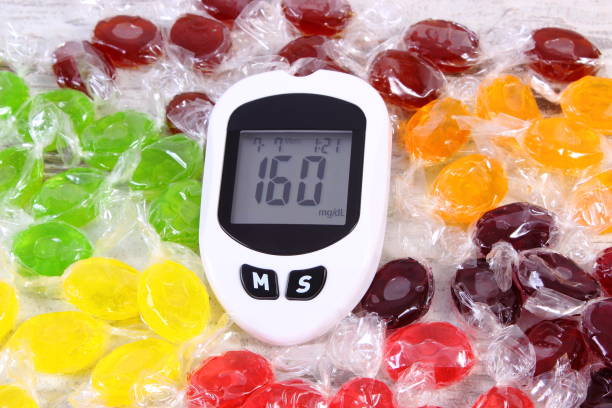
You just finished dinner. You’re comfortably full, maybe even a little stuffed. But somehow, a piece of chocolate, a bowl of ice cream, or something sweet still sounds pretty good.
Sound familiar?
It’s frustrating, especially when you’re trying to lose weight or make healthier choices. You might wonder why your body seems to want more food when you’ve already eaten enough.
Here’s something worth knowing: craving sweets after eating doesn’t automatically mean you’re hungry, lacking willpower, or dealing with a hormone imbalance.
Your brain, eating habits, sleep, stress levels, and the composition of your meals can all influence those cravings. Sometimes, blood sugar changes or an underlying medical condition may also play a role.
Understanding the difference can help you stop fighting your cravings and start addressing what’s actually causing them.
Why Do I Crave Sweets Even When I’m Full?
Sugar cravings after eating can happen because your brain responds to sweet foods differently than it responds to fullness. Reward pathways, learned habits, meal composition, stress, and poor sleep can all contribute. In some cases, blood sugar changes or metabolic conditions may be involved. The best approach depends on what’s driving your cravings.
1. Blood Sugar Changes Can Make You Want Something Sweet
One possible reason for post-meal sugar cravings involves how your body processes carbohydrates.
When you eat foods containing carbohydrates, your digestive system breaks many of them down into glucose, which enters your bloodstream. Your pancreas then releases insulin to help your cells use or store that glucose.
This is a normal, necessary process.
However, the type of carbohydrates you eat, how much you eat, and what you eat alongside them can influence how quickly your blood sugar rises.
For example, compare these two lunches:
- Lunch A: A large serving of white pasta with little protein or vegetables.
- Lunch B: A moderate serving of pasta with grilled chicken, vegetables, and olive oil.
Both contain carbohydrates, but the second meal provides more protein, fiber, and fat, which can help you feel satisfied longer and may moderate the blood sugar response.
What About Reactive Hypoglycemia?
Some people experience a drop in blood sugar after eating, a condition called reactive hypoglycemia.
It typically occurs within a few hours of a meal and may cause symptoms such as:
- Shakiness or sweating
- Sudden hunger
- Weakness or dizziness
- A racing heartbeat
- Irritability or difficulty concentrating
These symptoms can make you reach for something sugary because your body needs glucose.
However, most cravings for dessert immediately after a meal are not evidence of reactive hypoglycemia.
That distinction matters. Wanting a cookie after dinner is different from experiencing repeated episodes of shakiness, sweating, and weakness.
If you frequently experience symptoms that suggest low blood sugar, a healthcare provider can help determine whether testing is appropriate.
2. Your Brain Has a “Dessert Stomach”
Ever feel completely full after dinner but somehow still have room for cheesecake?
Researchers have been exploring why that happens, and the answer involves more than your stomach.
The Brain Science Behind Wanting Dessert
A 2025 study published in Science by researchers at the Max Planck Institute for Metabolism Research examined how the brain responds to sugar after eating.
The researchers identified an interesting relationship involving neurons in the hypothalamus called pro-opiomelanocortin (POMC) neurons.
These neurons help regulate fullness. But the study found that, in mice, they can also activate a reward-related pathway involving beta-endorphin that encourages sugar consumption even after the animals have eaten enough.
The researchers also observed related brain responses in humans, although more research is needed to understand exactly how these mechanisms influence everyday eating behavior.
In simpler terms, the brain systems that tell you you’re full don’t necessarily switch off your desire for something sweet.
That’s why you can feel physically satisfied and still find dessert appealing.
Sensory-Specific Satiety: Why Sweet Foods Still Sound Good
There’s another reason dessert can be tempting after a savory meal.
It’s called sensory-specific satiety.
As you eat a particular food, its appeal tends to decrease. After a plate of chicken, vegetables, and rice, you might not want another serving of the same thing.
But chocolate? That’s a different flavor, texture, and experience.
Your brain may still find it rewarding.
This is a normal part of human appetite, not necessarily a sign that something is wrong with your metabolism.
And importantly, enjoying dessert doesn’t mean you’ve failed at healthy eating.
3. Insulin Resistance and Hormonal Changes May Play a Role
Your hormones influence hunger, fullness, energy use, and body composition.
But it’s worth separating established medical conditions from the common assumption that every craving means your hormones are out of balance.
Insulin Resistance
Insulin resistance develops when cells become less responsive to insulin. Your body may compensate by producing more insulin to help manage blood glucose.
Over time, insulin resistance can contribute to elevated blood sugar and increase the risk of type 2 diabetes.
It can also occur alongside weight gain and other metabolic changes.
However, sugar cravings alone aren’t a reliable way to identify insulin resistance.
Some people with insulin resistance experience no noticeable symptoms at all.
If you have additional risk factors, such as a family history of type 2 diabetes, elevated blood sugar, or certain metabolic conditions, your provider may recommend appropriate screening.
Perimenopause and Menopause
Women often notice changes in appetite, body composition, sleep, and energy during perimenopause and menopause.
Fluctuating estrogen levels may influence appetite regulation and how the body stores fat. At the same time, disrupted sleep, stress, and changes in muscle mass can make weight management more challenging.
These changes don’t mean every craving is caused by estrogen or progesterone.
But if your cravings have changed alongside irregular periods, night sweats, poor sleep, or other menopausal symptoms, a broader hormone health evaluation may be worthwhile.
At AZ Nurse Practitioner, Kristen Stout, FNP-C helps women in Anthem understand these changes and determine whether hormone therapy or other treatment options may be appropriate.
Stress and Cortisol
Have you noticed that sweets sound especially appealing after a stressful day?
There’s a reason for that.
Stress can affect appetite and eating behavior. Cortisol, one of the hormones involved in the stress response, also influences glucose metabolism.
For some people, ongoing stress increases the desire for highly palatable foods, especially those rich in sugar and fat.
Emotional habits can reinforce that response, too.
If a sweet treat has become your usual reward after a long day, your brain may start anticipating it before you’ve even finished dinner.
That doesn’t necessarily mean you have abnormally high cortisol. It’s often a combination of stress, reward, and routine.
4. Poor Sleep Can Make Sugar Cravings Worse
One of the most overlooked factors in appetite regulation is sleep.
When you’re consistently short on sleep, your body and brain can respond differently to food.
Research has linked insufficient sleep with changes in appetite regulation, increased hunger, and a greater preference for calorie-dense foods.
You might notice that after a poor night’s sleep:
- You’re hungrier than usual.
- Sugary snacks seem harder to resist.
- You feel less satisfied after meals.
- You’re more likely to snack in the afternoon or evening.
- Your energy drops, making quick sources of energy more appealing.
Sleep can affect hormones involved in hunger and fullness, including ghrelin and leptin, although the exact hormonal response varies across studies.
The practical takeaway is simple: if you’re getting five or six hours of sleep most nights, changing your diet alone may not address everything contributing to your cravings.
For most adults, aiming for at least seven hours of quality sleep is a good starting point.
5. Could Nutrient Deficiencies or Gut Health Be Involved?
You’ve probably heard that craving chocolate means you’re low in magnesium, or that sugar cravings mean your gut bacteria are demanding sugar.
Those explanations sound convincing, but the science is more complicated.
Nutrient Deficiencies
Nutrients such as magnesium and chromium play roles in normal glucose metabolism.
However, there’s limited evidence that craving sweets after eating is a reliable sign of a specific vitamin or mineral deficiency.
If your diet is consistently low in nutrients, or you have symptoms or medical conditions suggesting a deficiency, your provider may recommend testing.
Taking supplements based on cravings alone isn’t a dependable solution.
The Gut Microbiome
Your digestive tract contains trillions of microorganisms that interact with your immune system, metabolism, and nervous system.
Researchers are studying how the gut microbiome may influence appetite and food preferences through the gut-brain connection.
It’s a fascinating area of research, but we don’t yet have enough evidence to say that particular gut bacteria are directly responsible for someone’s dessert cravings.
For now, the most practical approach to supporting gut health includes eating a variety of fiber-rich foods, getting adequate nutrition, and addressing digestive symptoms when they occur.
6. Sometimes Sugar Cravings Are Simply a Habit
Not every craving has a complicated medical explanation.
Sometimes, you’ve just trained your brain to expect something sweet after dinner.
Think about a routine like this:
You finish eating, clear the table, sit on the couch, and have a few pieces of chocolate.
After repeating that pattern for months or years, dessert becomes part of the evening.
Eventually, sitting on the couch after dinner may trigger the desire for chocolate even when you’re not hungry.
This is a learned association, and it can be changed.
The goal isn’t necessarily to eliminate dessert. It’s to make it a choice rather than something you feel compelled to have every night.
Try pausing for 10 minutes after a meal. Ask yourself whether you’re physically hungry, looking for a particular taste, or simply following your usual routine.
That small moment of awareness can make a surprisingly useful difference.
7. Practical Ways to Reduce Sugar Cravings After Meals
If you frequently crave sweets after eating, you don’t need to start with a strict diet or cut out every food you enjoy.
A few practical adjustments may help.
Build More Satisfying Meals
Try including a combination of:
- Protein: Eggs, chicken, fish, Greek yogurt, lean beef, beans, or tofu.
- Fiber: Vegetables, berries, lentils, beans, and whole grains.
- Healthy fats: Avocado, olive oil, nuts, or seeds.
- Carbohydrates: Appropriate portions of potatoes, rice, fruit, or whole grains.
For many adults, roughly 20 to 30 grams of protein per meal can be a useful starting point, although individual needs vary with age, body size, activity, and medical conditions.
You don’t have to avoid carbohydrates. Pairing them with protein, fiber, and healthy fats can help make meals more satisfying.
Stop Skipping Meals to Save Calories

If you’re barely eating throughout the day, your evening cravings may be more intense.
A tiny lunch followed by a long afternoon without food can leave you feeling especially hungry at dinner.
Regular, balanced meals may help reduce that pattern.
If your schedule is unpredictable, even having a simple protein-rich snack available can help you avoid arriving at dinner overly hungry.
Give Yourself a Few Minutes Before Dessert
Instead of automatically reaching for something sweet, take a short break.
Clear the table, take a walk, or make a cup of tea.
If you still want dessert afterward, you can choose to enjoy it.
The point is to distinguish a genuine preference from an automatic habit.
Try a Satisfying Alternative
Sometimes a smaller sweet option is enough to satisfy the craving.
A few ideas include:
- Greek yogurt with berries
- An apple with peanut butter
- A small portion of dark chocolate
- Strawberries with a little whipped cream
- Cottage cheese with fruit and cinnamon
You don’t need to replace every dessert with a healthier version. What matters more is your overall eating pattern.
Stay Hydrated
Living in Anthem, Arizona, means dealing with dry air and plenty of hot weather.
If you spend time walking, hiking, exercising, or working outdoors, it’s easy to underestimate how much fluid you’re losing.
Dehydration doesn’t automatically cause sugar cravings, and thirst isn’t always mistaken for hunger. Still, adequate hydration supports normal physical function and can help you better recognize your body’s signals.
Keep water accessible throughout the day, especially during Arizona’s hotter months.
Protect Your Sleep and Manage Stress
A balanced dinner won’t necessarily solve cravings if you’re exhausted and stressed every evening.
Look at the bigger picture.
Getting consistent sleep, finding manageable ways to reduce stress, and making time for regular physical activity can all support appetite regulation.
You don’t have to change everything at once. Pick one or two habits you can realistically maintain.
8. Why Sugar Cravings Can Feel Stronger When You’re Trying to Lose Weight
Here’s a frustrating situation many people recognize.
You decide to lose weight, start cutting calories, avoid your favorite foods, and try to be as disciplined as possible.
A few days later, you can’t stop thinking about sweets.
That response isn’t unusual.
When you significantly restrict food intake, your body can respond with increased hunger and changes in appetite-related signals. The more restrictive the plan, the harder it may become to maintain.
There’s also a psychological component.
When you label certain foods as completely off-limits, they can become even more appealing.
This is one reason sustainable weight management usually works better with a flexible, balanced approach than with extreme rules.
The goal is to create an eating pattern that supports your health without making you feel like you’re constantly fighting yourself.
9. When Should You See a Healthcare Provider About Sugar Cravings?
Occasional dessert cravings are normal.
But if you’re experiencing intense, persistent cravings alongside other symptoms, it’s worth looking into what’s happening.
Consider scheduling an evaluation if you notice:
- Frequent shakiness, sweating, or dizziness after eating
- Unusual thirst or frequent urination
- Persistent fatigue or unexplained weight changes
- Difficulty managing hunger despite regular, balanced meals
- Significant changes in appetite during perimenopause or menopause
- Cravings that feel out of control or cause substantial distress
- Repeated episodes of overeating accompanied by a feeling that you can’t stop
These symptoms don’t necessarily mean you have insulin resistance, low blood sugar, or a hormone disorder.
They do mean that a personalized medical assessment may be more useful than another restrictive diet.
If you have symptoms of low blood sugar, especially if you take diabetes medication, seek prompt medical guidance. Severe confusion, fainting, or seizures require emergency care.
10. How Medical Weight Loss in Anthem Can Help
If you’ve tried changing your diet, increasing exercise, and managing your cravings without much success, there may be value in getting professional guidance.
At AZ Nurse Practitioner in Anthem, Kristen Stout, FNP-C takes an individualized approach to medical weight loss.
Rather than assuming everyone needs the same diet or medication, the process starts with understanding your health history, symptoms, eating patterns, and goals.
Step 1: Understand What’s Happening
A medical weight loss consultation may include questions about:
- When your cravings happen and how often
- Your usual meals and daily eating schedule
- Sleep quality and stress
- Current medications
- Weight changes and previous weight loss attempts
- Menstrual or menopausal symptoms, when relevant
- Family history of diabetes or other metabolic conditions
These details help determine what deserves closer attention.
Step 2: Consider Appropriate Testing
Depending on your symptoms and medical history, Kristen may recommend testing to assess factors such as:
- Blood glucose or A1c
- Thyroid function
- Cholesterol and other metabolic health markers
- Nutrient levels when a deficiency is suspected
- Hormone levels when clinically indicated
Not everyone needs extensive hormone panels or fasting insulin testing.
The goal is to order tests that can meaningfully guide your care, rather than assuming every craving has an underlying hormonal cause.
Step 3: Create a Realistic Treatment Plan
Your plan may include nutrition adjustments, physical activity, sleep improvements, behavioral strategies, and regular follow-up.
For eligible patients, prescription weight loss medications may also be considered.
Can GLP-1 Medications Help With Food Cravings?
Medications such as semaglutide and tirzepatide work through pathways involved in appetite and glucose regulation.
For some patients, they can help reduce hunger, increase fullness, and make persistent thoughts about food less distracting.
People sometimes call those constant thoughts food noise.
These medications aren’t appropriate for everyone, and they aren’t prescribed simply because someone enjoys sweets after dinner.
A proper evaluation should consider medical eligibility, potential side effects, contraindications, medication options, and ongoing monitoring.
When treatment is appropriate, it’s most useful as part of a broader plan that also supports nutrition, physical activity, and preservation of muscle mass.
Step 4: Adjust the Plan as You Make Progress
Weight management isn’t always a straight line.
Your appetite, energy, routine, and progress may change over time.
Ongoing medical support makes it possible to review what’s working, address side effects or setbacks, and adjust your approach when necessary.
That’s especially helpful if you’ve spent years cycling through diets that worked temporarily but were difficult to maintain.
A More Personalized Approach to Weight Loss in Anthem, AZ
If you’re living in Anthem, New River, Desert Hills, or the surrounding North Valley, your everyday routine matters.
Maybe you’re juggling work and family responsibilities, trying to fit in early morning workouts before the Arizona heat, or dealing with sleep changes during menopause.
Those details can influence your eating habits, activity, and weight management.
A plan that looks perfect on paper isn’t very useful if it doesn’t fit your actual life.
At AZ Nurse Practitioner, Kristen Stout, FNP-C focuses on understanding the whole picture before recommending treatment.
With nearly 20 years of healthcare experience, Kristen provides individualized care that considers your symptoms, medical history, and personal goals.
If you’re dealing with persistent cravings, stubborn weight gain, or other changes that don’t seem to make sense, you don’t have to keep guessing.
You can also explore our article on improving metabolic health or learn why diet and exercise alone may not always produce the results you expect.
Frequently Asked Questions About Sugar Cravings After Eatingw
You may crave sweets after a meal because your brain still finds sweet flavors rewarding even when you’re physically full. Learned habits, sensory-specific satiety, stress, and meal composition can also contribute. An immediate desire for dessert doesn’t necessarily mean your blood sugar is low or your hormones are imbalanced.
Yes, in the sense that your desire for sweet foods can continue after you’ve eaten enough. Research published in 2025 identified brain pathways that may help explain this response. Your stomach doesn’t actually create extra space for dessert. Instead, appetite and reward systems can respond differently to sweet foods than to the meal you just finished.
Not necessarily. Insulin resistance can occur without obvious symptoms, and craving sugar isn’t a reliable diagnostic sign. If you have other risk factors, such as elevated blood sugar, a family history of type 2 diabetes, or certain metabolic conditions, your provider may recommend testing.
Hormonal changes can influence appetite, food preferences, and weight management. This may be especially noticeable during perimenopause and menopause. However, cravings alone don’t establish a hormone imbalance, and other factors such as sleep, stress, and eating habits should also be considered.
For many adults, including around 20 to 30 grams of protein in a meal is a reasonable starting point. Pairing protein with fiber-rich foods and healthy fats can improve satisfaction and help regulate hunger. Your ideal protein intake depends on your individual nutritional needs and health.
Yes. Insufficient sleep can increase hunger and make high-calorie, sweet foods more appealing. If you regularly sleep fewer than seven hours, improving your sleep schedule may help with appetite regulation and weight management.
Chocolate cravings may reflect a learned habit, enjoyment of sweet flavors, or your brain’s response to a rewarding food. They aren’t a reliable sign of magnesium deficiency. If chocolate is part of your usual after-meal routine, your brain may begin expecting it even when you’re full.
Drinking enough water supports normal body function, but it isn’t a proven cure for sugar cravings. If you’re dehydrated, restoring fluids may help you feel better overall. Persistent cravings are more likely to require attention to your eating patterns, sleep, stress, or other contributing factors.
Usually, no. Completely eliminating sweets isn’t necessary for most people to lose weight, and overly restrictive rules can be difficult to maintain. A balanced approach that allows occasional treats in reasonable portions is often more sustainable.
Consider an evaluation if cravings are frequent, unusually intense, or accompanied by shakiness, sweating, fatigue, increased thirst, unexplained weight changes, or difficulty managing your appetite. A healthcare provider can assess your symptoms and determine whether testing or treatment is appropriate.
Yes, depending on what’s contributing to them. Medical weight loss may include nutrition guidance, behavioral changes, treatment of relevant medical conditions, and prescription medications when appropriate. The goal is to develop a sustainable plan that supports appetite regulation, overall health, and long-term weight management.
Craving something sweet after dinner is common. It doesn’t automatically mean something is wrong with you, and it certainly doesn’t mean you’ve failed at healthy eating.
But when cravings feel constant, interfere with your goals, or come with other symptoms, it’s worth finding out why.
Sometimes the solution is as simple as eating more balanced meals, improving sleep, or changing an established habit. Other times, a medical evaluation may uncover something that needs attention.
Ready to take a more personalized approach to your health and weight?
Schedule a consultation with Kristen Stout, FNP-C at AZ Nurse Practitioner to explore medical weight loss in Anthem, AZ and find a plan that works for your body and your life.
