

Gen Z is not buying the old “just push through it” approach to health.
And honestly? Good for them.
For years, the default answer to fatigue, brain fog, anxiety, low motivation, and afternoon crashes was simple: drink more coffee, sleep when you can, and keep going.
That may have worked on paper. It did not work in real life.
Today, more young adults are asking better questions. Why am I tired all the time? Why can’t I focus? Why do I feel anxious, foggy, or burned out even when I’m doing “healthy” things?
For some, the answer may involve hormone balance.
At AZ Nurse Practitioner in Anthem, AZ, we see a growing interest in root-cause wellness from younger patients who do not want to wait until symptoms become unbearable before getting help.
Featured Snippet: Why Is Gen Z Talking About Hormone Balance?
Gen Z is talking more about hormone balance because many young adults are struggling with fatigue, brain fog, anxiety, poor sleep, weight changes, and low energy. Instead of masking symptoms with caffeine or quick fixes, they are seeking advanced lab testing, hormone evaluations, peptide therapy, and personalized wellness care.
Why Gen Z in Anthem and Phoenix Is Prioritizing Hormone Health
Gen Z has grown up in a world of constant stress, constant information, and constant comparison.
Academic pressure, demanding careers, social media, irregular sleep, processed food, and screen-heavy routines can all affect the nervous system, sleep cycle, and endocrine system.
In Anthem and the greater Phoenix area, there are local lifestyle factors too:
- intense desert heat
- dehydration risks
- active outdoor lifestyles
- long drives across the Valley
- busy family and work schedules
- high stress from school, careers, or caregiving
When your body is already under pressure, hormone imbalance can make everything feel harder.
That’s why more young adults are becoming interested in hormone therapy in Anthem, advanced lab testing, peptide therapy, and proactive wellness care.
They are not chasing trends. They are looking for answers.
A Focus on Optimal Hormone Levels
One of the biggest frustrations patients face is hearing that their labs are “normal” when they still feel awful.
Normal ranges are broad. They are often based on population averages, not what is optimal for a specific person.
That means someone can technically fall within range while still experiencing:
- low energy
- mood swings
- anxiety
- brain fog
- poor sleep
- low libido
- stubborn weight changes
- poor workout recovery
Gen Z tends to question that more than previous generations.
They are not satisfied with being told, “You’re fine,” when their daily life tells a different story.
That is why many are seeking advanced lab work for hormone imbalance that looks deeper than basic screening. These panels may evaluate thyroid function, cortisol rhythm, testosterone, estrogen, progesterone, insulin, vitamin D, and other markers that influence how someone feels and functions.
Common Signs of Hormone Imbalance in Young Adults
Many people in their 20s and 30s dismiss symptoms as “just stress.”
Sometimes stress is part of it. But it may not be the whole story.
Watch for signs like:
- persistent fatigue or afternoon crashes
- brain fog or trouble concentrating
- mood swings, anxiety, or irritability
- unexplained weight gain or stubborn fat
- low libido
- irregular cycles
- poor recovery after workouts
- sleep problems
- thinning hair
- skin changes
- cravings or unstable appetite
If several of these symptoms are showing up at once, it may be time to look deeper.
A good provider does not jump straight to treatment. First comes the conversation, then testing, then a plan.
Digital Health Literacy
Gen Z is one of the most digitally connected generations in history.
That has its benefits. Young adults are more comfortable talking openly about fatigue, anxiety, hormones, thyroid health, adrenal support, and mental wellness than many generations before them.
But there is a downside too.
The internet is loud. Very loud.
For every helpful post, there are ten videos pushing miracle supplements, extreme elimination diets, hormone “hacks,” or fear-based advice.
That is where professional guidance matters.
There is a major difference between learning from online conversations and building a treatment plan from TikTok comments.
Finding Credible Care
Even when online wellness advice is not obviously false, it can still be incomplete.
A supplement may help one person but do nothing for another. A diet trend may improve symptoms short term but create new problems later. A “detox” may sound impressive while doing very little for the root issue.
This is why more informed patients are looking for credible, evidence-based care from providers who can actually review labs, symptoms, medical history, and lifestyle.
Nurse practitioner-led hormone clinics can offer that middle ground: compassionate, modern, root-cause care without the guesswork.
At AZ Nurse Practitioner, the goal is not to scare patients into treatment. It is to help them understand what is happening in their body and what options may make sense.
Bioidentical Hormone Replacement Therapy Explained
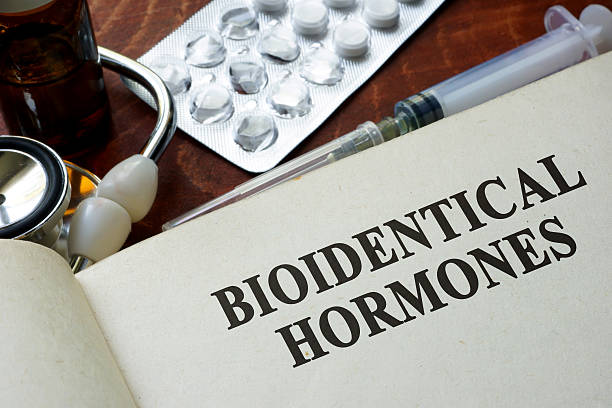
Bioidentical Hormone Replacement Therapy, also called BHRT, uses hormones designed to closely match the hormones your body naturally produces.
BHRT may be considered when lab work and symptoms show a true imbalance.
Depending on the patient, treatment may involve:
- hormone pellets
- creams
- injections
- other personalized options
For younger adults, BHRT is not about “anti-aging” in the shallow sense. It is about restoring function when the body is clearly out of balance.
Potential benefits may include:
- steadier energy
- better sleep
- improved mood
- sharper mental clarity
- improved libido
- better metabolism
- improved muscle tone
- better recovery
Treatment should always be personalized and medically monitored.
Proactive Treatments
Hormone conversations used to center mostly on menopause or later-stage aging.
That is changing.
Younger patients are realizing that endocrine imbalance can happen earlier, sometimes in the 20s, 30s, or 40s. They are also less willing to accept stigma around getting help.
That does not mean every tired 25-year-old needs hormone therapy. Of course not.
But it does mean persistent symptoms deserve a real evaluation.
Quick Self-Assessment Checklist
You may benefit from advanced hormone testing if you are experiencing:
- persistent low energy despite rest
- mood or focus issues affecting daily life
- poor sleep or frequent waking
- difficulty maintaining weight or muscle
- low libido
- unexplained anxiety or irritability
- interest in root-cause solutions instead of quick fixes
If you answered yes to several, testing may be a reasonable next step.
Natural Solutions and Cellular Repair
Younger patients are also looking beyond symptom management.
They want solutions that support the body’s own repair systems.
That is one reason peptide therapy in Anthem is gaining interest.
Peptides are short chains of amino acids that act like messengers in the body. Some peptides support recovery, metabolism, growth hormone signaling, immune function, inflammation balance, or cellular repair.
They may be used alongside other wellness tools, including BHRT, medical weight loss, nutrition support, and lifestyle changes.
For Gen Z and younger millennials focused on performance, recovery, and longevity, peptide therapy can feel like a more modern wellness option.
Still, it should be medically guided. Peptides are not something to casually order online and experiment with.
The Role of Peptide Therapy
Peptide therapy may support several goals, depending on the peptide used and the patient’s health profile.
Patients often seek peptides for:
- better workout recovery
- improved sleep
- more energy
- support for fat metabolism
- inflammation support
- tissue repair
- healthy aging
- immune support
For someone who is active, stressed, tired, and trying to improve long-term health, peptides may be part of a larger plan.
The key phrase is “part of a larger plan.”
Peptides work best when paired with smart nutrition, hydration, strength training, sleep, and proper medical oversight.
Lifestyle Factors Amplifying Imbalances in Anthem
Anthem’s lifestyle can be beautiful, but it has its challenges.
The desert heat alone can wear people down. Add in school, work, long commutes, fitness goals, relationships, and screen overload, and the body can start pushing back.
To support hormone health naturally, start with the basics:
- get consistent sleep
- hydrate well, especially during Arizona summers
- eat enough protein
- avoid overtraining
- strength train instead of only doing cardio
- reduce late-night screen time
- manage stress intentionally
- get labs checked when symptoms persist
A lot of people want advanced solutions, and those can absolutely help. But your foundation still matters.
A Growing Demand for Modern Healthcare
The generational shift toward proactive hormonal wellness is hard to ignore.
Gen Z wants healthcare that listens. Healthcare that looks for root causes. Healthcare that acknowledges symptoms before they become a crisis.
That is not entitlement. That is wisdom.
If fatigue, brain fog, poor sleep, anxiety, low libido, weight changes, or poor recovery are affecting your life, you do not have to keep guessing.
At AZ Nurse Practitioner in Anthem, AZ, Kristen Stout, FNP-C provides personalized care for patients looking for real answers and thoughtful treatment options.
If you are exploring personalized hormone therapy in Anthem, peptide therapy, or advanced lab testing as part of a root-cause wellness plan, schedule a consultation and start with the most important step: understanding your body.
FAQs
With a tailored treatment plan, many patients notice improvements in energy, sleep, or mood within 3 to 6 weeks. Results vary based on the cause of imbalance, treatment type, and consistency with follow-up care.
Advanced hormone panels may evaluate free hormone levels, cortisol rhythm, thyroid markers, sex hormones, insulin, vitamin D, and other factors that standard labs may overlook.
Yes. Thyroid imbalance can affect mood, anxiety, energy, heart rate, sleep, and focus at almost any age.
Hormone therapy may be appropriate when lab work and symptoms show a true imbalance. Safety depends on proper testing, medical supervision, individualized dosing, and ongoing monitoring.
No. While hormone therapy is common during menopause, perimenopause, or low testosterone later in life, younger adults can also experience hormone imbalance that deserves evaluation.
BHRT and peptide therapy can be safe when prescribed and monitored by an experienced provider. Proper lab testing, medical history review, and follow-up care are essential.
Peptide therapy may help support recovery, sleep, metabolism, and cellular repair, depending on the patient’s goals and the peptide used.
Yes. Lab work is important. Treatment should be based on symptoms, medical history, and objective testing, not guesswork.
