
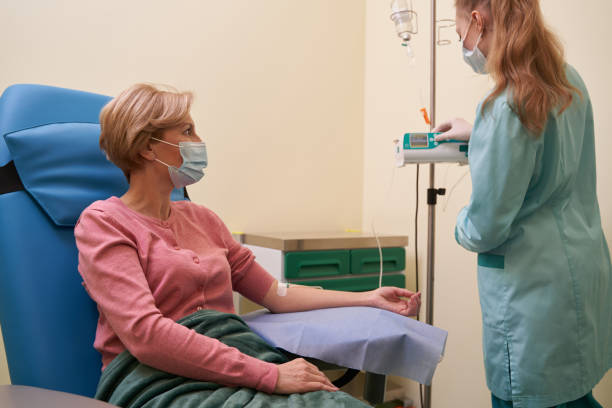
There’s a special kind of frustration that comes from knowing something is wrong with your body, only to be told, “Your labs look normal.”
You’re tired. You’re foggy. You’re not sleeping well. Your weight is creeping up. Your mood feels unpredictable. Your sex drive is not what it used to be. But because your numbers fall somewhere inside a broad lab range, you’re sent home with no real answers.
That can feel discouraging, and frankly, it happens far too often.
Hormone imbalance can affect sleep, energy, mood, reproductive health, metabolism, weight, libido, skin, hair, and body composition. But standard blood tests do not always tell the full story. “Normal” does not always mean optimal, and it definitely does not always mean you feel good.
That’s why many women and men seek hormone imbalance treatment in Anthem, AZ. They want someone to look deeper, listen carefully, and connect their symptoms to what is actually happening inside their body.
Featured Snippet: How Do You Know If You Need Hormone Replacement Therapy?
You may need hormone replacement therapy if you have ongoing symptoms like fatigue, brain fog, poor sleep, low libido, weight gain, mood changes, hot flashes, night sweats, or loss of muscle, especially when basic labs are “normal.” Comprehensive hormone testing can help determine whether BHRT is right for you.
How Hormone Fluctuations Take Place
Hormonal decline is a natural part of aging, but modern life can speed up the process.
Stress, poor sleep, processed food, environmental chemicals, alcohol, sedentary habits, and chronic inflammation all place pressure on the endocrine system. Add age-related hormone shifts to the mix, and it’s no wonder so many people feel off before they expected to.
Hormones are chemical messengers. They affect how your body sleeps, burns fat, builds muscle, manages blood sugar, handles stress, and maintains emotional balance.
When those signals become unstable, the symptoms can show up everywhere.
Women vs. Men: How Hormone Changes Look Different
Hormone Changes in Women
For women, hormone changes can begin long before the final menstrual period.
Perimenopause may start in the mid-30s or 40s and last for years. During this time, estrogen may fluctuate while progesterone often declines more noticeably. This can create a hormonal rollercoaster that feels confusing and exhausting.
Common symptoms include:
- hot flashes
- night sweats
- poor sleep
- anxiety
- irritability
- heavier or irregular periods
- low libido
- vaginal dryness
- brain fog
- stubborn weight gain
- bloating
- fatigue
Many women tell themselves, “I’m too young for this.” But perimenopause does not wait for permission.
Hormone Changes in Men
For men, the shift is often slower and easier to ignore.
Testosterone may begin declining in the 30s. This is sometimes called andropause or low T. At first, the changes may feel subtle. Less drive. Slower recovery. Less muscle tone. More belly fat. Lower libido.
Common symptoms include:
- low energy
- brain fog
- reduced motivation
- loss of muscle mass
- increased visceral belly fat
- low libido
- erectile changes
- irritability
- lower confidence
- poor workout recovery
A lot of men blame stress, work, or age. Sometimes that’s part of it. But low testosterone may be playing a bigger role.
Lifestyle and Environment
Our environment can affect hormone health more than most people realize.
Modern exposures include compounds called xenoestrogens. These are chemicals that can mimic or interfere with estrogen activity in the body. They may be found in certain plastics, pesticides, personal care products, household items, and processed foods.
Over time, these exposures may add stress to the body’s natural hormone signaling system.
Here in Anthem and the North Valley, lifestyle can add another layer:
- Arizona heat can worsen fatigue, sleep issues, dehydration, and hot flashes
- Busy family and work schedules can raise cortisol
- Long commutes to Phoenix or Scottsdale can increase stress
- Outdoor activity requires stronger hydration and recovery habits
- Dry desert air may make skin and hair changes more noticeable
This is why hormone care should be personalized. Your life matters. Your environment matters. Your symptoms matter.
Lifestyle Factors and Reducing Hormone Disruptors in Anthem
You can’t avoid every hormone disruptor, and you don’t need to live in a bubble. But small changes can support better hormone balance over time.
Consider starting with:
- switching from plastic containers to glass or stainless steel
- filtering drinking water when possible
- choosing cleaner personal care products
- avoiding heating food in plastic
- washing produce well or choosing organic when practical
- limiting ultra-processed foods
- reducing alcohol
- walking or exercising during cooler morning or evening hours
- prioritizing sleep in a cool, dark room
- managing stress before it becomes your normal setting
These changes do not replace medical care when hormones are truly imbalanced, but they can make treatment work better.
How Bioidentical Hormone Replacement Works
Bioidentical Hormone Replacement Therapy, or BHRT, uses hormones designed to closely match the hormones your body naturally produces.
These may include estrogen, progesterone, or testosterone depending on your symptoms, lab results, and health history.
BHRT is often different from a one-size-fits-all approach because it is customized around the patient. The goal is not to flood the body with hormones. The goal is to restore balance safely and thoughtfully.
At AZ Nurse Practitioner, care is personalized based on:
- your symptoms
- comprehensive lab testing
- medical history
- lifestyle
- goals
- follow-up response
That level of customization matters.
What to Expect with BHRT Pellets in Anthem
Pellet therapy is a popular option for many patients because it is convenient and steady.
Tiny bioidentical hormone pellets are inserted under the skin during a quick in-office procedure. Once placed, they slowly release hormones over several months.
Many patients like pellets because they do not require daily dosing.
Typical BHRT Pellet Process
- Initial consultation and symptom review
- Comprehensive lab testing
- Personalized hormone plan
- Quick in-office pellet insertion, if appropriate
- Follow-up monitoring with repeat labs
- Dose adjustments when needed
Many patients report steadier energy, better sleep, improved mood, and fewer fluctuations compared with creams or pills.
Is BHRT Right for You? Safety, Risks, and Myths
BHRT can be safe and well tolerated when prescribed and monitored by a qualified medical provider. That last part matters.
Hormones should not be guessed at, ordered casually online, or adjusted without lab work.
Mild side effects may include:
- temporary pellet site tenderness
- acne
- fluid retention
- mood shifts during adjustment
- unwanted hair changes if dosing is too high
These are often manageable with proper monitoring and dose adjustments.
Common Myths About BHRT
Myth 1: Hormone therapy is only for menopause.
Not true. Perimenopause, andropause, low testosterone, and earlier imbalances can affect women and men in their 30s, 40s, and beyond.
Myth 2: HRT always causes weight gain.
Properly optimized hormones may actually support metabolism, muscle preservation, energy, and body composition.
Myth 3: If labs are normal, hormones are fine.
Not always. Standard ranges are broad. Optimal ranges and symptoms matter too.
Myth 4: Results do not last.
With ongoing monitoring, many patients maintain benefits long term through individualized adjustments.
Are You a Candidate for Hormone Therapy?
Like your hormone profile, your response to treatment is personal.
The best way to know whether you actually need hormone therapy in Anthem, AZ is through a consultation, symptom review, and specialized testing.
You may be a candidate if you are experiencing one or more of the following:
Persistent Fatigue
You wake up tired, rely on caffeine to function, or crash in the afternoon. This may be related to cortisol imbalance, progesterone decline, thyroid issues, or low testosterone.
Weight Gain
You notice more belly fat or body composition changes that do not respond well to diet and exercise.
Mental Fog
You struggle with memory, focus, word recall, or general clarity. Testosterone, estrogen, thyroid, sleep quality, and cortisol may all play a role.
Mood Instability
You feel more irritable, anxious, flat, unmotivated, or emotionally reactive than usual.
Physical Changes
You notice thinning hair, dry skin, low libido, loss of muscle tone, decreased strength, or slower recovery.
Having these symptoms does not automatically mean you need BHRT. But it does mean your hormones deserve a closer look.
The Role of Comprehensive Testing in Determining Need
Standard labs often use broad “normal” ranges. They can be helpful, but they may miss what is optimal for you.
Specialized clinics in Anthem often use more complete testing to get the full picture.
Testing may include:
- estrogen
- progesterone
- total testosterone
- free testosterone
- SHBG
- cortisol
- thyroid markers
- vitamin D
- metabolic markers
- insulin and glucose
- other labs based on symptoms
A good provider does not treat numbers alone. They interpret your labs alongside your symptoms, medical history, lifestyle, and goals.
That is what turns lab work into a real treatment plan.
Real Patient Experiences from Anthem
Real stories often explain this better than a lab chart ever could.
Sarah, 42, Anthem
“Perimenopause hit hard. I had fatigue, mood swings, and hot flashes that made Arizona summers feel impossible. After BHRT pellets, my energy returned, the hot flashes calmed down, and I’m hiking local trails again. The labs finally showed what standard testing missed.”
David, 48, Anthem
“Low T stole my drive. I was still going to the gym, but I felt weak and unmotivated. Pellet therapy helped restore my muscle, libido, and energy. I feel like myself again.”
Maria, 55, Anthem
“Brain fog and stubborn weight were wearing me down. Once my hormones were balanced, my sleep improved, my energy came back, and I could keep up with my grandkids without the afternoon crash.”
Results vary, but stories like these are common reasons patients finally decide to get tested.
Reclaiming Your Vitality
It is understandable to want to stop aging in its tracks. Most of us would love to keep the wisdom and lose the fatigue.
But the goal of hormone therapy is not to pretend you are 25 again. The real goal is better quality of life.
More energy. Better sleep. Clearer thinking. Stronger workouts. A healthier metabolism. A better mood. A better relationship with your body.
With personalized and biocompatible hormone replacement therapy, patients can reevaluate their health goals and pursue something more sustainable than just pushing through.
If you are wondering whether you qualify for BHRT, schedule a comprehensive hormone evaluation with AZ Nurse Practitioner in Anthem, AZ.
You deserve answers that go deeper than “normal.”
FAQ
Properly balanced hormone therapy often supports fat metabolism, insulin sensitivity, muscle preservation, and energy. When combined with nutrition and exercise, it may help with weight management rather than weight gain.
Some patients notice improved mood, sleep, or brain fog within days to weeks. More noticeable changes in energy, libido, sleep quality, and body composition often build over 3 to 6 weeks or longer with pellets.
Yes. Perimenopause can affect women before 40, and many women still have periods while experiencing symptoms that may respond to hormone support.
Not necessarily. Many patients continue long term because they feel better, but treatment should be reassessed regularly through lab testing, symptoms, and personal goals.
BHRT uses hormones designed to be structurally identical to the hormones your body naturally produces. This allows for more customized dosing and may improve tolerance for some patients.
Testing usually includes comprehensive blood work and a detailed symptom review. Your provider may evaluate sex hormones, thyroid function, cortisol, vitamin D, and metabolic markers.
Yes, when prescribed and monitored properly. Pellets offer steady hormone release for several months and avoid the daily hassle of creams or pills.
Yes. BHRT is often combined with medical weight loss, peptide therapy, nutrition changes, and lifestyle support to help improve energy, metabolism, and long-term wellness.
