
Some changes sneak up on you.
You don’t wake up one morning and suddenly feel older. It’s usually quieter than that. A little less energy. A little more belly weight. A few nights of bad sleep. Less patience. Less motivation. Less “spark.”
Then one day you realize, “I don’t feel like myself anymore.”
For many women and men, hormone changes begin earlier than expected, often in the mid-to-late 30s. While menopause gets most of the attention, hormone therapy in Anthem, AZ can start years before that. Men can feel it too, especially as testosterone begins to decline.
At AZ Nurse Practitioner in Anthem, AZ, we see this often. Patients come in thinking they are just stressed, tired, or aging badly. In many cases, their hormones are playing a much bigger role than they realize.
Featured Snippet: What Happens When Hormones Drop After 35?
After age 35, hormones like progesterone, estrogen, and testosterone may begin to decline or fluctuate. This can lead to fatigue, poor sleep, weight gain, brain fog, low libido, mood changes, reduced muscle, and slower metabolism. Hormone testing and personalized treatment may help restore balance.
Understanding the Hormone Shift Before 40
Hormonal decline is not always neat and predictable.
For women, menopause is the final stage, but perimenopause can start years earlier. Around the mid-30s, progesterone may begin to fluctuate more dramatically. When progesterone drops while estrogen stays relatively higher, many women experience what is often called estrogen dominance.
That imbalance can affect:
- sleep
- mood
- menstrual cycles
- anxiety levels
- weight
- reproductive wellness
- bone health
For men, the shift usually centers around testosterone. Testosterone often begins declining gradually in the 30s, and for some men, symptoms appear earlier than expected.
This stage is sometimes called andropause, although it tends to happen more slowly than menopause.
Signs and Symptoms of Hormonal Decline After 35
Hormone changes can feel subtle at first. That is why many people ignore them until they start interfering with daily life.
For Women: Perimenopause and Estrogen Dominance
Women may notice:
- irregular or heavier periods
- worse PMS
- hot flashes or night sweats
- anxiety or irritability
- trouble sleeping
- brain fog
- fatigue
- midsection weight gain
- bloating
- low libido
- vaginal dryness
- hair thinning
- acne
- breast tenderness
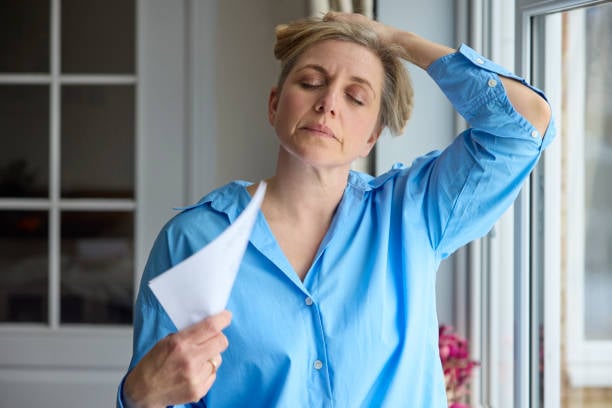
Arizona heat can make some of these symptoms feel even worse. Night sweats are unpleasant anywhere, but in Anthem during summer? That can feel brutal.
For Men: Low Testosterone and Andropause
Men may notice:
- lower energy
- reduced muscle mass
- weaker workouts
- more belly fat
- slower metabolism
- low motivation
- brain fog
- erectile changes
- reduced libido
- irritability
- poor sleep
- slower recovery
A lot of men brush this off as stress or age. But if your workouts, focus, drive, and mood all shift at once, it is worth checking testosterone levels.
How Men Experience the Hormonal Drop
Testosterone supports far more than sex drive.
It plays a role in muscle mass, metabolism, bone strength, mood, motivation, and cognitive function. When testosterone drops, the first signs may be easy to miss.
Maybe you’re still exercising, but not seeing results. Maybe you’re gaining belly fat even though nothing major changed. Maybe your motivation feels lower, and you don’t know why.
Low testosterone may contribute to:
- reduced lean muscle
- increased visceral fat
- lower libido
- reduced sexual performance
- brain fog
- lower confidence
- fatigue
- increased risk of metabolic concerns
This is not about vanity. It is about quality of life.
The Systemic Effects of Hormonal Decline
Hormones do not work in isolation. When one shifts, others often follow.
As sex hormones decline, many people become more insulin resistant. That means the body has a harder time regulating blood sugar, which can lead to fatigue, cravings, weight gain, and prediabetic concerns.
Cortisol can also become harder to regulate. When stress hormones stay elevated, sleep suffers. Then fatigue worsens. Then cravings increase. Then weight becomes harder to manage.
It becomes a frustrating loop.
Hormonal imbalance may affect:
- metabolism
- blood sugar
- cardiovascular health
- sleep cycles
- bone density
- mood
- muscle mass
- sexual health
- mental clarity
This is why early testing matters. The earlier you catch the pattern, the easier it is to support the body before symptoms become more disruptive.
The Importance of Comprehensive Hormone Testing
Here is where many people get frustrated.
They go to the doctor, explain that they feel terrible, get labs done, and hear, “Everything looks normal.”
But normal is not always optimal.
Standard lab ranges are broad. They may tell you whether something is severely outside range, but they do not always explain why you feel tired, foggy, moody, or unlike yourself.
A more complete hormone evaluation may include:
- estrogen
- progesterone
- total testosterone
- free testosterone
- SHBG
- thyroid markers
- cortisol
- vitamin D
- insulin
- glucose
- metabolic markers
At a specialized hormone clinic in Anthem, the goal is not just to check boxes. The goal is to understand how your labs connect to your symptoms, age, lifestyle, and goals.
That is where personalized care makes a difference.
Clinical Intervention and Hormonal Optimization

The best approach to hormone changes is not guessing. It is testing, listening, and treating based on the whole picture.
For some patients, lifestyle changes may be enough. For others, bioidentical hormone replacement therapy, also known as BHRT, may be appropriate.
BHRT uses hormones designed to closely match the hormones your body naturally produces. Depending on the patient, treatment may include options such as:
- hormone pellets
- creams
- injections
- other customized protocols
The right option depends on your symptoms, lab results, medical history, and preferences.
BHRT Options and What to Expect in Anthem
Bioidentical hormones may be used to help restore balance in women and men when hormone decline is affecting quality of life.
Hormone pellets are a popular option because they provide a steady release over several months. Instead of remembering daily dosing, pellets are inserted under the skin and gradually release hormones over time.
Patients often seek BHRT for:
- better energy
- clearer thinking
- improved sleep
- mood stability
- improved libido
- better workout recovery
- healthier body composition
- stronger bones
- fewer perimenopause or menopause symptoms
- low testosterone support for men
Treatment typically begins with a consultation and labs. From there, Kristen can review your results, explain your options, and create a personalized plan.
Local Anthem Lifestyle Matters
Hormone symptoms do not happen in a vacuum.
Living in Anthem means hot summers, dry air, outdoor activity, busy family life, and often a very active lifestyle. Many patients want to keep hiking, golfing, working out, traveling, or keeping up with kids and grandkids.
But when hormones are off, those things start feeling harder.
Arizona heat can make hot flashes and night sweats worse. Dry air can make skin and hair changes more noticeable. A demanding schedule can push cortisol higher. Poor sleep makes everything feel heavier.
That is why local, personalized hormone care matters. The treatment plan should fit real life, not just a lab sheet.
Real Patient Experiences in Anthem
One Anthem patient described it this way:
“After starting BHRT, my hot flashes calmed down and I finally had energy for weekend walks again.”
Another patient, Mark, 47, shared:
“Low T had me dragging. Pellet therapy helped restore my drive, energy, and motivation. It felt life-changing.”
A local female patient said:
“My standard labs were always ‘normal,’ but I knew something was off. Once we looked deeper, it finally made sense. Now I sleep better, think clearer, and feel younger.”
Results vary, of course. But these are the kinds of changes patients are hoping for: better sleep, more energy, clearer thinking, and a body that feels familiar again.
Is BHRT Safe? Risks and Myths
Hormone therapy should always be taken seriously. This is your health, and you deserve honest answers.
When prescribed and monitored by a qualified provider, BHRT is generally well tolerated by many patients. Mild side effects may include temporary tenderness at a pellet site, acne, fluid retention, or dose-related changes that can be adjusted with proper monitoring.
The key is medical oversight.
That means:
- proper lab testing
- health history review
- individualized dosing
- follow-up labs
- symptom tracking
- adjustments when needed
Common Myths About Hormone Therapy
Myth 1: Hormone therapy is only for older women.
False. Men and women in their 30s, 40s, 50s, and beyond may experience hormone-related symptoms.
Myth 2: BHRT is unnatural.
BHRT uses bioidentical hormones designed to closely match the body’s natural hormones.
Myth 3: If my labs are normal, hormones are not the issue.
Not always. Standard ranges do not always reflect optimal levels or how you actually feel.
Myth 4: Hormone therapy is one-size-fits-all.
It should not be. Good hormone care is customized and monitored.
A Proactive Approach to Longevity
Hormone changes after 35 are normal. But struggling through fatigue, weight gain, poor sleep, low libido, brain fog, and mood changes does not have to be your new normal.
The goal is not to chase youth. The goal is to preserve vitality.
When hormone balance is supported, many patients feel more capable in their everyday lives. They sleep better. Think clearer. Move more. Recover faster. Enjoy intimacy again. Show up with more patience and energy.
That matters.
Why Local BHRT Care in Anthem, AZ Matters
Choosing a local provider means you are not navigating this alone.
At AZ Nurse Practitioner, patients in Anthem, New River, Desert Hills, Cave Creek, Carefree, Black Canyon City, Wickenburg, and North Phoenix can receive personalized hormone care without relying on a generic online program.
Local care allows for:
- convenient follow-ups
- better communication
- personalized lab review
- ongoing monitoring
- treatment adjustments
- integration with medical weight loss, peptide therapy, or men’s TRT when appropriate
Hormone Imbalance optimization is not just about prescriptions. It is about partnership.
Hormones, Weight Loss, and Whole-Body Wellness
Many patients first notice hormone changes because their weight shifts.
They may be eating the same way, exercising, and still gaining fat around the midsection. This is often tied to insulin resistance, cortisol, thyroid function, and declining sex hormones.
For that reason, hormone therapy may pair well with:
- medical weight loss
- peptide therapy
- strength training
- nutrition support
- sleep improvement
- stress management
When the body is better balanced, weight loss efforts often become less frustrating and more sustainable.
Your Next Step
If you feel like your energy, mood, weight, sleep, or body composition changed after 35, it may be time to stop guessing.
A consultation and lab work can help identify whether hormones are part of the problem.
At AZ Nurse Practitioner in Anthem, AZ, Kristen Stout, FNP-C provides personalized care for women and men who want real answers and a plan that fits their body.
Schedule a consultation today to learn whether hormone replacement therapy, BHRT, men’s TRT, or another wellness option may be right for you.
Frequently Asked Questions
Low progesterone, low testosterone, cortisol imbalance, thyroid issues, or poor sleep quality can all prevent restorative rest. If this happens often, hormone testing may help identify the cause.
Yes. Hormone shifts can affect insulin sensitivity, metabolism, muscle mass, appetite, and fat storage, especially around the midsection.
Yes. Specialized hormone care focuses on optimization, symptoms, advanced lab review, and personalized treatment instead of only treating values that fall outside standard ranges.
Yes, testosterone fluctuations may affect body temperature regulation and contribute to night sweats in some men.
BHRT uses bioidentical hormones designed to closely match the body’s natural hormones. Traditional HRT may use synthetic or non-bioidentical hormone options.
Many patients notice better sleep or energy within 2 to 4 weeks. Libido, body composition, mood, and mental clarity may improve over 1 to 3 months.
Yes. Hormone balance can be an important part of medical weight loss, especially when fatigue, insulin resistance, low testosterone, or menopause symptoms are involved.
Coverage varies. Many personalized hormone treatments are cash-pay, but labs or consultations may be eligible for insurance or HSA/FSA reimbursement depending on your plan.
